


The Kia Sportage is the brands most successful car, so no wonder the launch of a new one is a big deal for the Korean brand. Six years ago, Company Car & Van attended the previous Sportage launch, which featured a range of diesel & petrol models. A lot of water has passed under the bridge since then & the new range features a choice of petrol, diesel, mild hybrid, full hybrid & plug-in hybrid drivetrains.
 Model range
Five model grades – ‘2’, ‘GT-Line’, ‘3’, ‘4’ & ‘GT-Line S, with a choice of 18 different versions.
Exterior
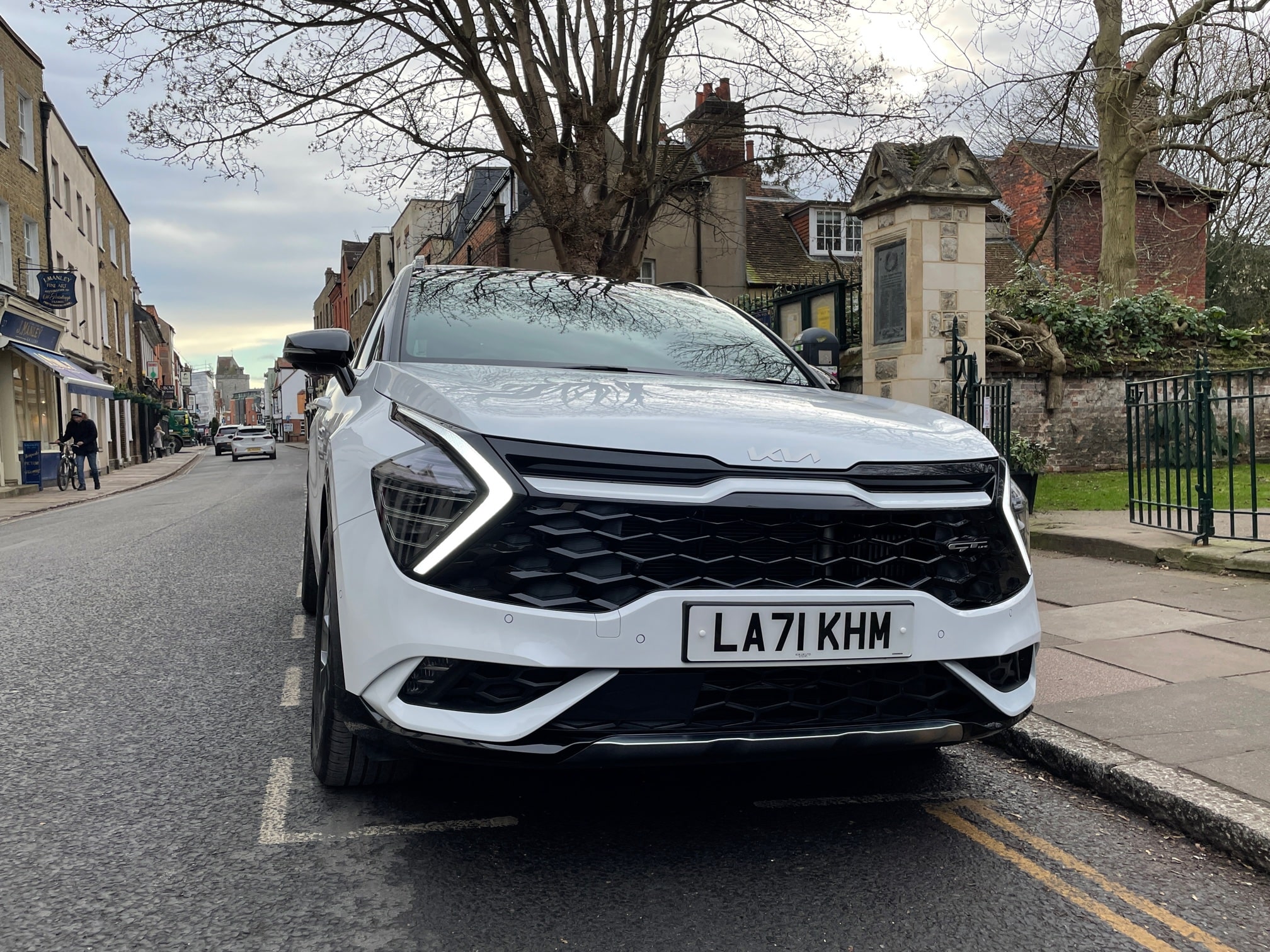
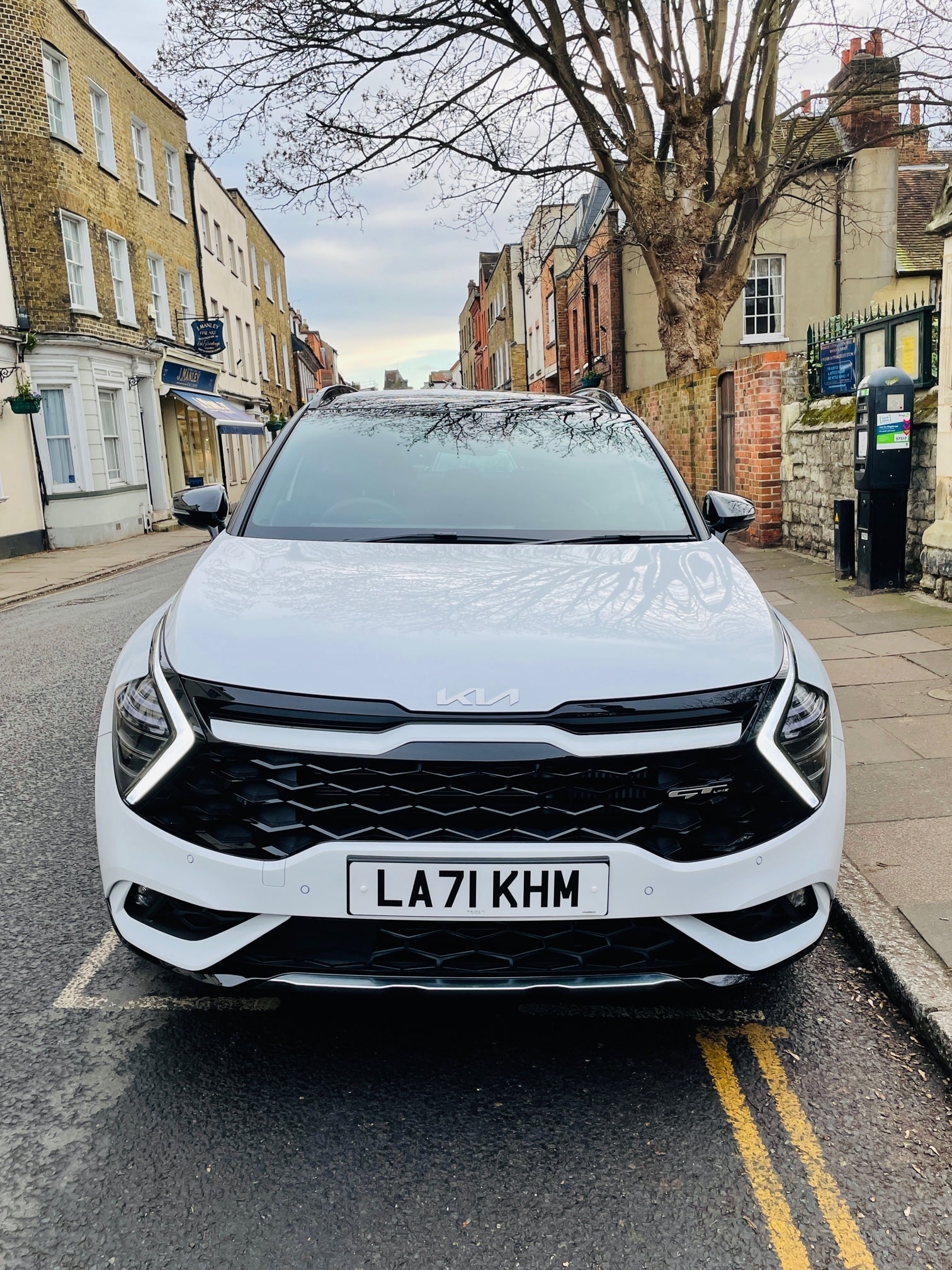
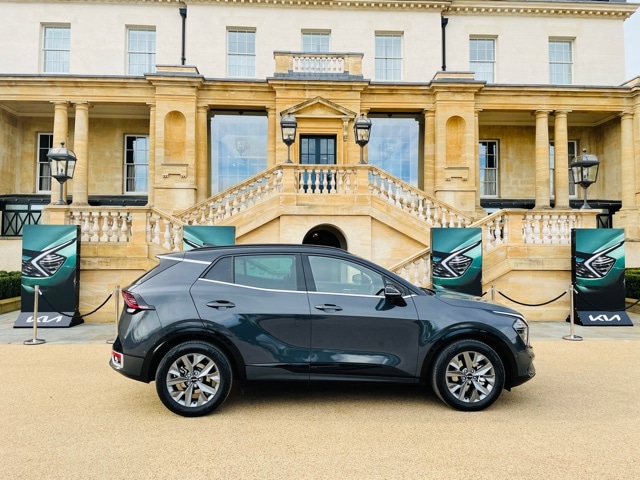
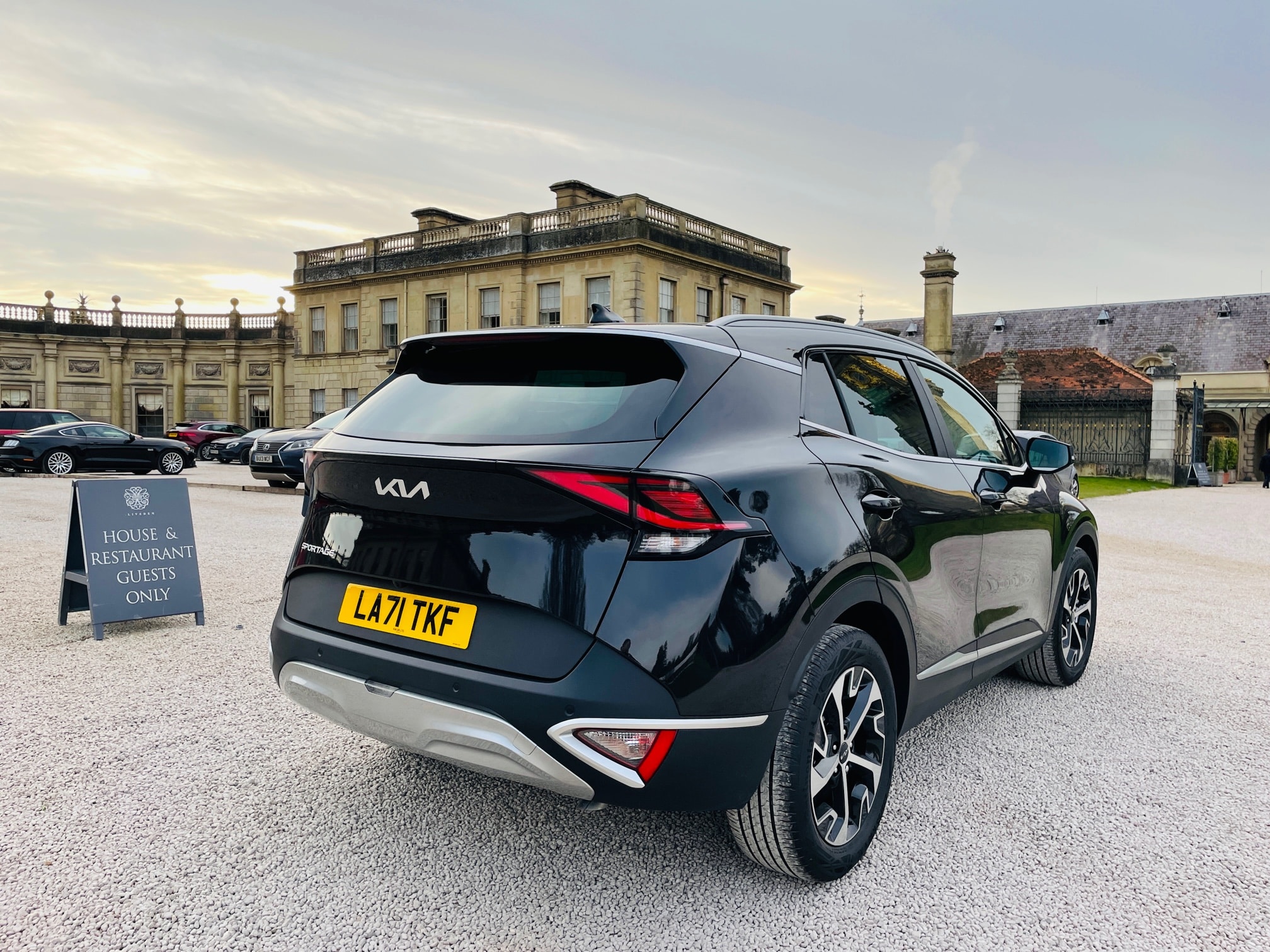
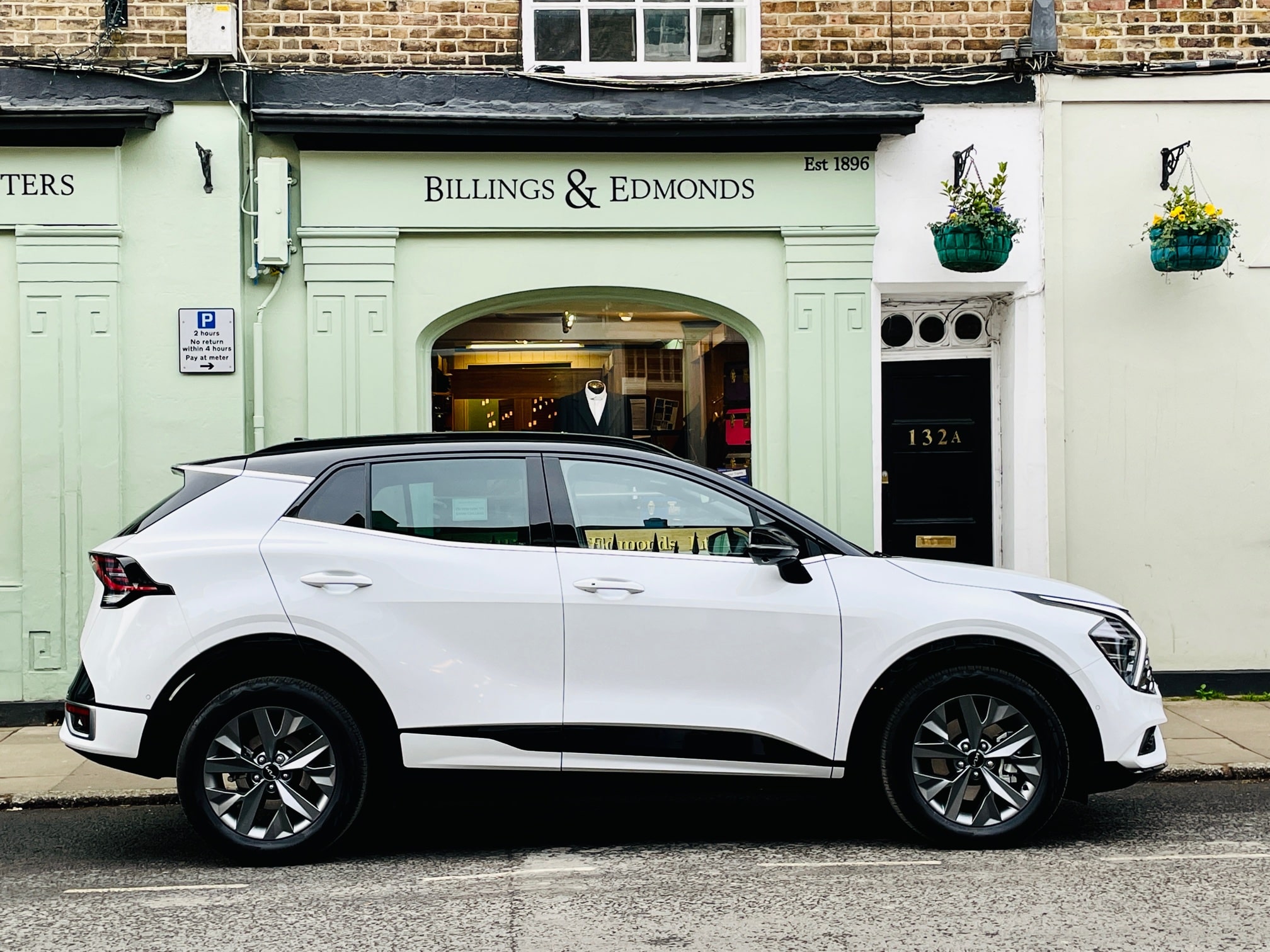
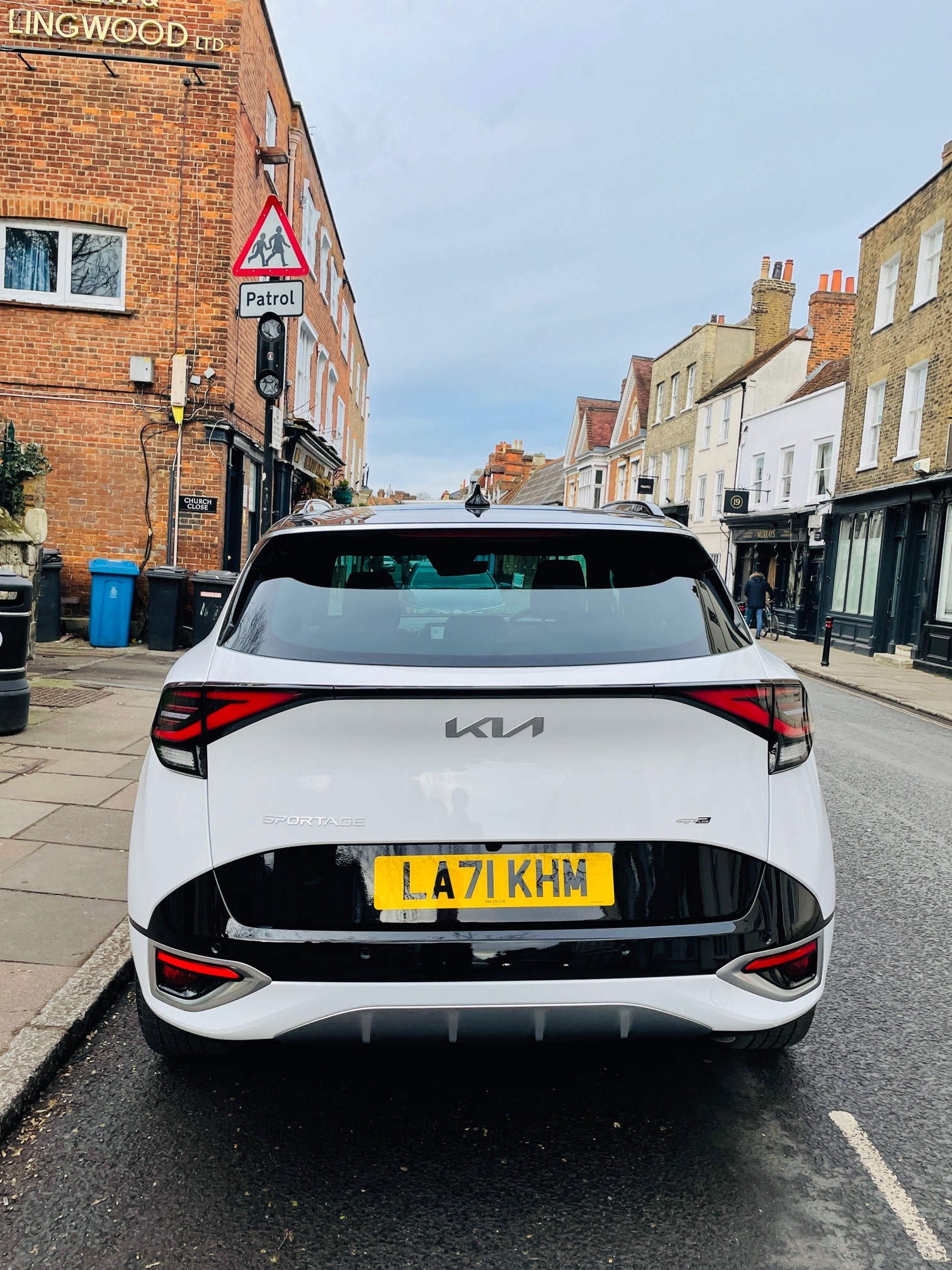
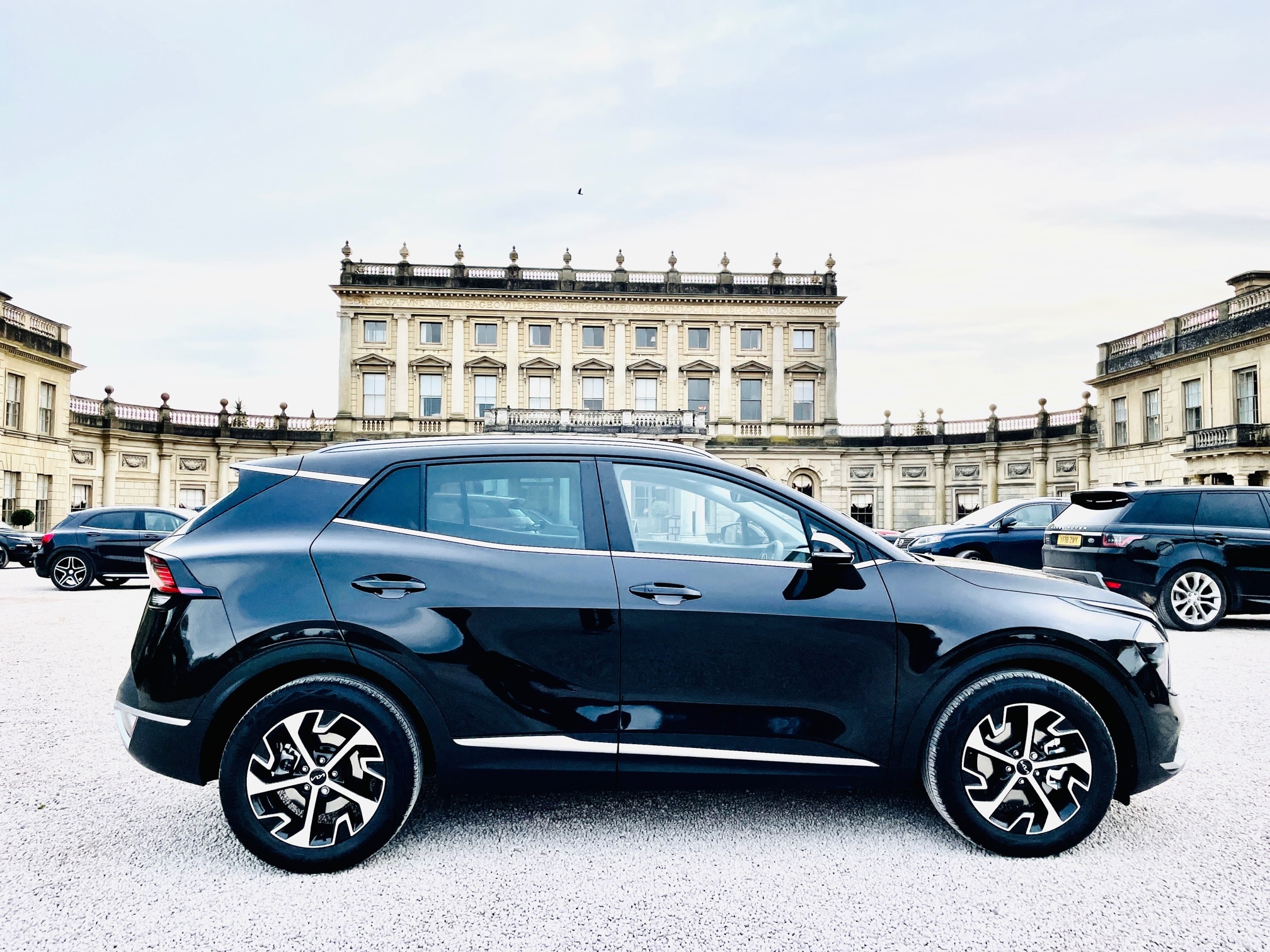
Built on Kia’s brand-new ‘N3’ architecture, the latest Sportage is 30mm longer, 10mm wider, features a 10mm longer wheelbase & it’s also 10mm higher. The front features a new take on the Kia Tiger Nose grille, boomerang LED daytime running lights, with Matrix LED headlamps. Along the side is a chrome belt line that kicks up at the rear & at the back the there’s a fast back design with razor rear lamps, all finished off with the option of a black roof, the first time this has been available on European models. There’s also a choice of ten colours & four alloy wheel designs, through 17”, 18” or 19” versions.
 Interior & equipment
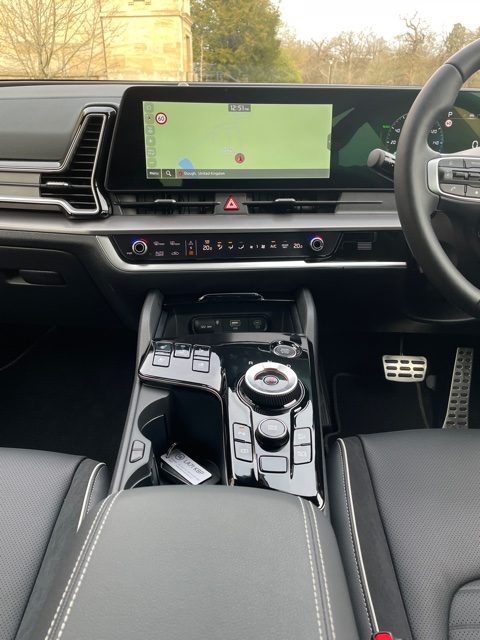
First seen in the EV6, the dashboard is dominated by the car’s infotainment & instrument cluster screens, which stretch across two-thirds of the car. Below the central touchscreen, sits the car’s multi-mode display. This replaces physical buttons with a dedicated ‘haptic’ touchscreen, providing shortcuts to control the cars climate control, infotainment & SatNav. The good news is, that you don’t need to delve into too many sub-menus to choose what you want. It’s easy to work, with a small arrow which when pushed, switches from climate to the cars functions, which helps free up dashboard space.

The centre console on automatic versions, also features a new shift-by-wire automatic transmission dial, taking up less space than a traditional gear selector, which is available on ‘GT-Line’, ‘GT-Line S’, ‘3’ & ‘4’ grades. Also new, is a high speed 15W wireless charging for smartphones on ‘4’ & GT-Line S’ editions.
 Practicality
Up front you get twin cupholders between the front seats. On some versions, the cup holders rotate outwards & can be pushed back in when not needed, creating more space in the cabin. In front of this you get two USB connections & a 12v socket. The door pockets will also hold a bottle, but the glove box is slim. The front armrest lifts up to add more storage. Front & rear head & legroom is good as well.
The cabin now offers an integrated hanger-type design within the headrests, allowing clothing or bags to be hooked into place. Sitting next to these, are twin USB inputs located on the inside of the front seat sides. Slimmer front seats increase rear legroom to 996mm & coupled with the increased measurements all around, the cabin is more spacious than any previous Sportage.
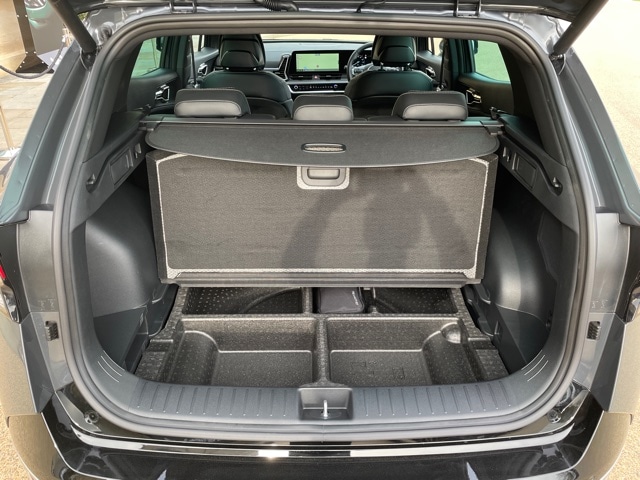
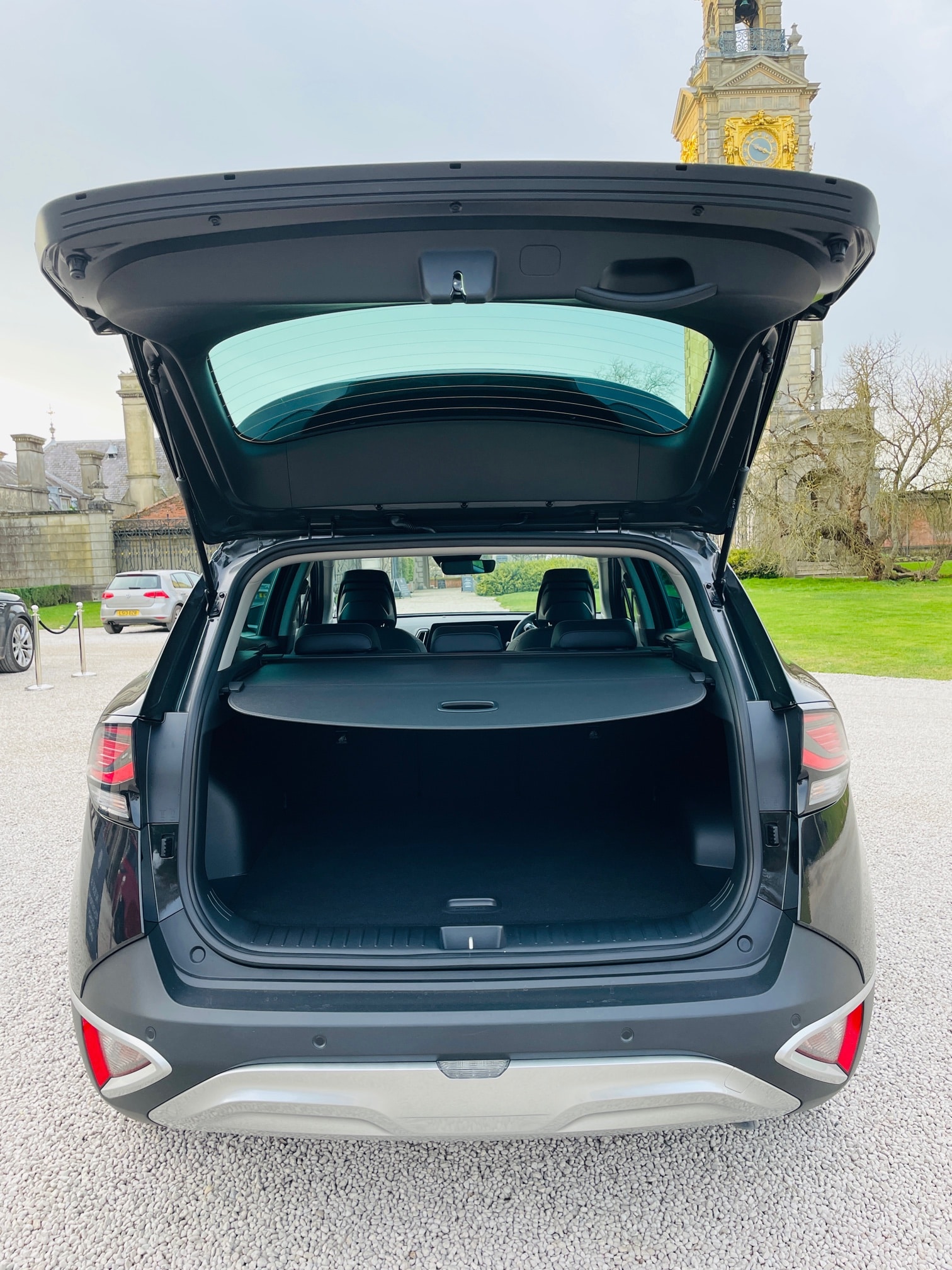
The 40:20:40 split rear seats fold down by pulling a lever & the boot features up to 591 litres of luggage space with the seats up, with a maximum boot capacity of 1,780 litres when folding the rear seats down. The battery pack for HEV models has been cleverly placed underneath the back seats, resulting in similar rear legroom in these versions, to that you get in the petrol & diesel versions. The boot floor can also be lifted to reveal some useful storage space underneath.
 Powertrains
With a choice of petrol, diesel, mild hybrid, full hybrid & plug-in hybrid drivetrains, the latest Sportage caters for most tastes. Customers can choose between front & AWD. Improvements include the 1.6-litre T-GDi petrol engine now being offered with 48-volt mild hybrid technology. Furthermore, the seven-speed DCT automatic gearbox now comes with both petrol & diesel drivetrains & Terrain Mode is fitted on all hybrid & plug-in hybrid versions, featuring Mud, Snow & Sand modes.
 Build quality
As with Kia’s latest electric car the EV6, the cabin quality is excellent, especially on higher spec versions. So there’s plenty of soft touch finishes, in black & chrome & it’s all very tastefully executed. As you shift down to ‘2’ or ‘3’ model’s, the quality dips a little with cheaper plastic used between the front seats.
 Technology and safety
Kia have come up trumps here, with twin 12.3″ touch screens & the curved panoramic display standard on most variants, plus Android Auto & Apple CarPlay smartphone compatibility fitted as standard.
Safety wise, again Kia have been generous, with Forward Collision Avoidance Assist (FCA) which includes sensors for city, pedestrian, cyclists, & junctions, offered on all models. Choose an auto & benefit from Highway Driving Assist (HDA), Smart Cruise Control with Stop & Go & paddle shifters. All models come with Lane Follow Assist (LFA) & Lane Keep Assist (LKA), front & rear parking sensors & a reversing camera. Blind-spot Collision Avoidance Assist (BCA) with Parking Collision Avoidance Assist (PCA) is standard on ‘4’ & ‘GT-Line S’ versions, with Remote Smart Park Assist (RSPA) standard on ‘4’ & ‘GT-Line S’ hybrid models.
 On the road
At launch we had the opportunity to drive a manual petrol ‘3’ model & both AWD & FWD hybrid automatic versions.
First up was the AWD full hybrid & the first thing you notice is how easy this is to drive. In town, the auto box is excellent & on the motorway, simply select cruise control & away you go. At motorway speeds, the cabins quiet & the drivers seat is comfortable. Kick down to overtake & the revs go up & the engine noise gets a little intrusive. There’s plenty of power on offer, with the hybrid version offering 226bhp & 350Nm of torque for a decent 0-60 mph of 7.7 seconds.
This version blends a 1.6-litre petrol engine with a 1.49kWh battery. This enables the car to travel short distances using electric power, which is useful in stop-start traffic.
The three versions we drove, feature light steering & good all-around visibility. On some smaller B roads, the hybrid does feel a little unsettled over bumps in the road. After all with AWD & battery, it’s quite heavy at 2,245kg, which with neither, makes the 2,085kg petrol only version more forgiving. The FWD hybrid sits somewhere in between, weighing in at 2,175kg.
Talking of which, whilst the ‘3’ spec manuals not as fancy inside as the GT Line S, we found it both more fun to drive & better handling than both the hybrid & mild-hybrid versions. There’s something about a manual gearbox that connects the driver so much better.
 Company car drivers
Until the PHEV version arrives this Summer, the hybrids CO2 emissions of 125-140g/km, coupled to fuel economy of between 47- 51mpg, make this version the most attractive to company car drivers.
Pros
With a wide range of engines & a good choice of specs, there’s a Sportage for all. The interior is arguably, best in class, with the excellent infotainment system lifting this Sportage to new heights. Som clever interior design touches such as the coat hangers are also good news, whilst the extras been lifted with a more aggressive front & rear.
 Cons
Cons
Like all SUV’s, the Sportage is a little bland to drive. Prices of between £26,745 – £43,795, reflect the cars upmarket feel & for most, they’ll want at least a GT-Line version, which starts at £29,745. The PHEV will be the most attractive to fleet customers, so you’ll need to wait a little longer for that one.
 Conclusion
How do you improve your best selling & most successful car ? Simple. Don’t fiddle around too much with how it looks, tick. Offer a wide choice of engines including a fleet-friendly plug-in version, tick. Offer loads of goodies even on the cheaper versions, tick. Add a great looking, top notch infotainment system, tick. And, build it using higher quality materials, tick.
In essence, the new Sportage does what all of the other Sportage’s did from Gen 2 onwards, which is to make a very good car even better. Existing Sportage customers will love it & it gives the Hyundai Tucson & Nissan Qashqai a real run for their money.
Better than ever 4/5
