


The Mitsubishi L200 has accumulated over 4.7 million sales since it’s launch in 1978. It has evolved through six generations, with the latest version the Series 6, comfortably the most advanced L200 yet. Mitsubishi have completely re-engineered the new model to bring new levels of comfort, refinement, safety & efficiency to the sector & to align it with the brand’s ASX, Eclipse Cross & Outlander, which all feature Mitsubishi Motor’s Dynamic shield design.
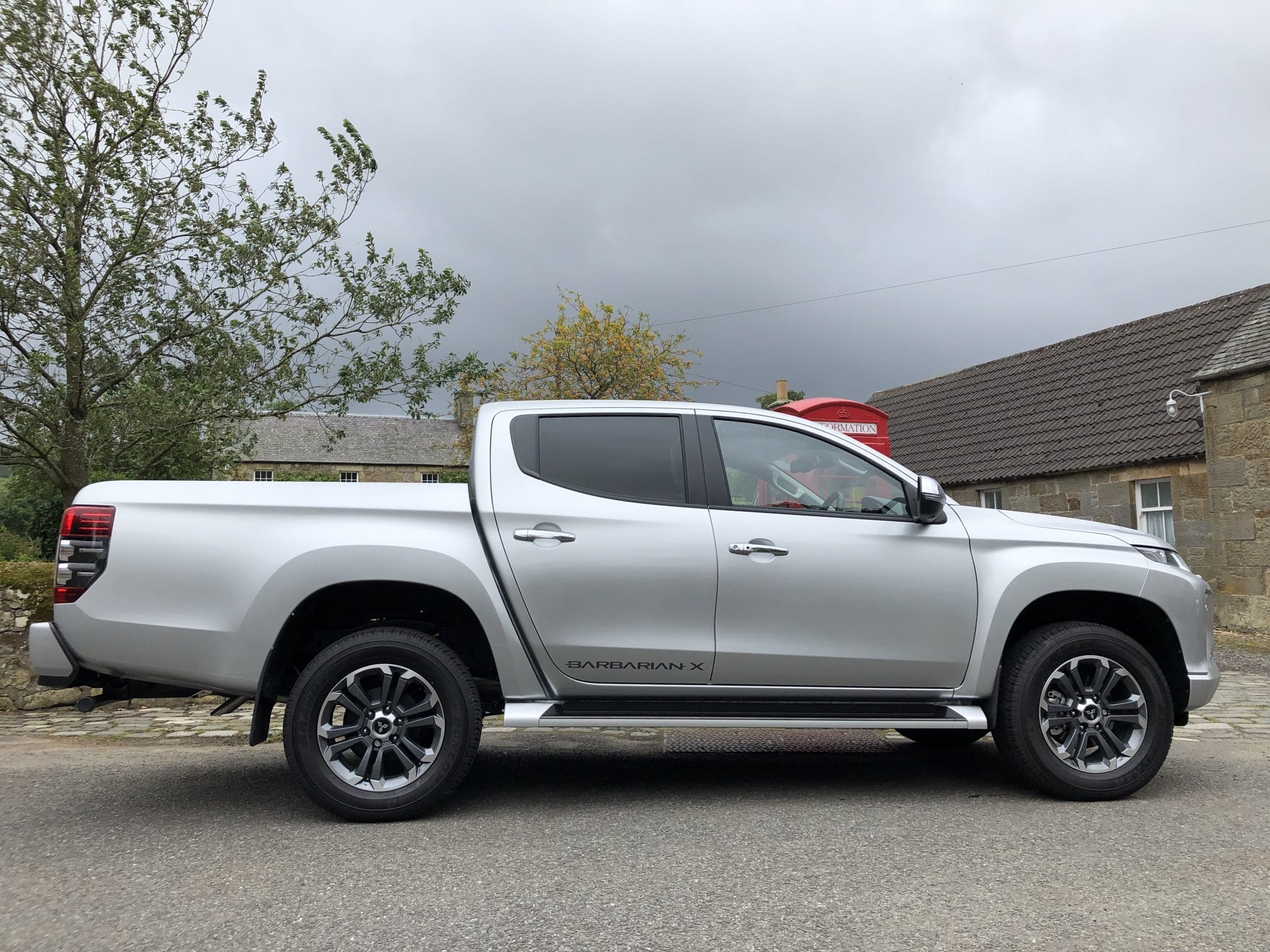
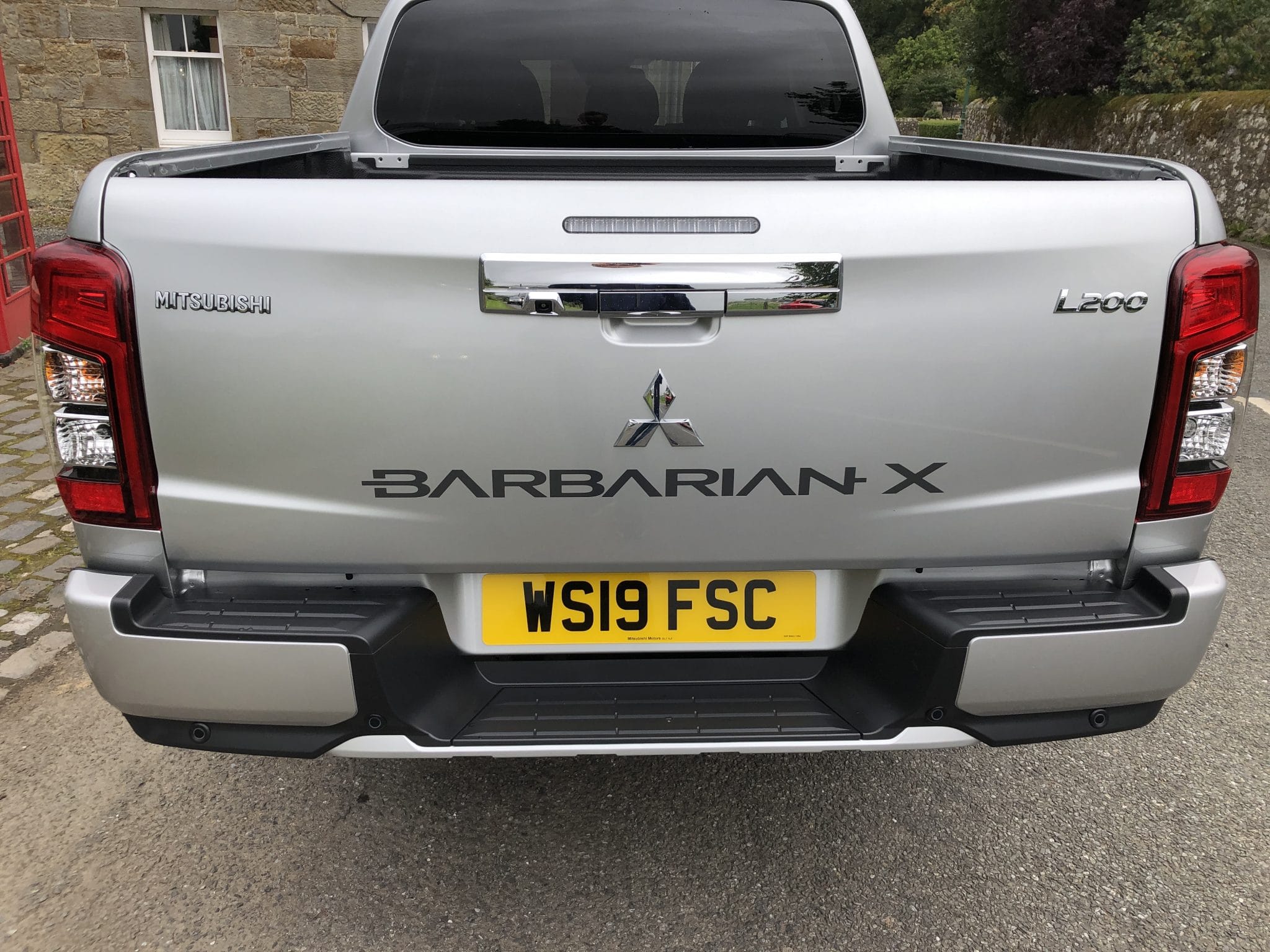
The L200’s clamshell bonnet instantly makes it stand out from it’s predecessor. It sits 40mm higher than the Series 5 with the new headlights 100mm higher. There’s also a larger bumper allowing for a 30 degree approach angle, squared off wheel arches with 18″ wheels on all but the entry level 4Life model, streamlined mirrors, sleeker bodywork & raised side steps. At the rear, every one of the panels has been changed, with new light clusters, a more substantial rear bumper & a new tailgate that is available with a damper & tailgate assist.
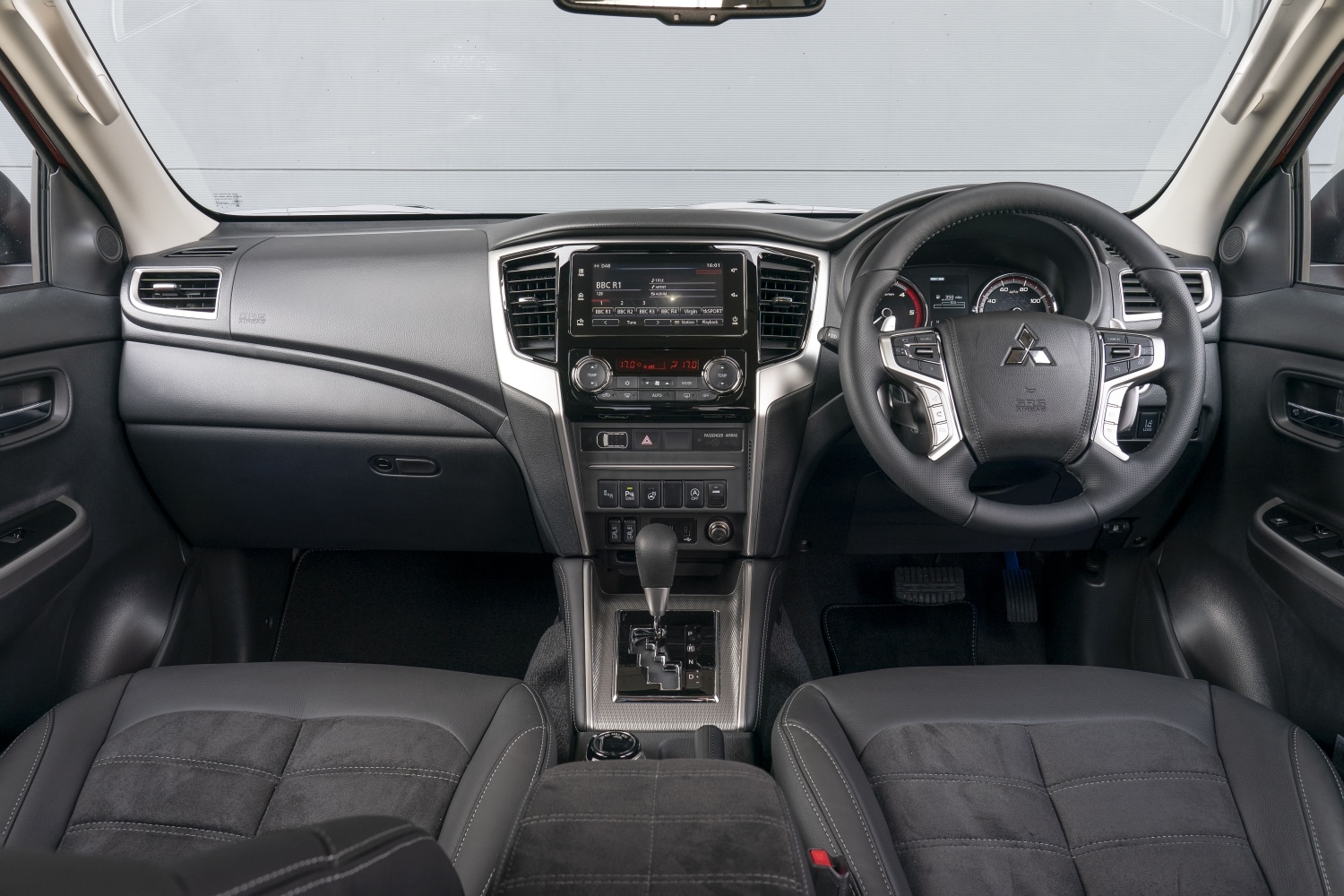
In line with other Mitsubishi SUV’s, the interior has also been upgraded & now offers a dashboard enhanced by a new silver garnish on either side of the centre stack, knee pads on the centre, better storage including front & rear smartphone trays & new USB ports in the rear on Barbarian models. There’s also a chunkier steering wheel, new seat materials, seat side bolstering & a full colour LCD display.
The range is powered by a new 2,268cc all aluminium turbo-diesel engine with 150hp & peak torque of 400Nm which produces 500rpm lower down the rev range than the outgoing Series 5. It’s also Euro 6d compliant & comes with a combined economy of 32.1 mpg in manual guise & 29.1 mpg in auto. CO2 emissions range from 231g/km – 254g/km under the WLTP rules.

The L200 is also equipped with Auto Stop & Go & AdBlue across the range, which is the largest tank at 21 litres in the sector, meaning it should only need to be filled during regular service intervals. It’s also been fitted with new springs & dampers all round & coupled with a stronger chassis, has improved the L200’s on road handling. As a pick-up, it will now carry an increased payload of 1,080kg, or 550kg while towing 3.5 tonnes.
An array of new safety features are also offered including Forward Collison Mitigation, Blind Spot Warning with Lane Change Assist, Rear Cross Traffic Alert, Ultrasonic Mis-acceleration on mitigation, plus EBS, LDW, Mitsubishi Active Stability & Traction Control, Hill Start Assist & Trailer Stability Assist. New off-road features include Hill Descent Control & off road 4X4 modes for travelling in gravel, sand, mud & snow or rock. Furthermore, you can select 4WD drive mode at speeds of up to 62mph.
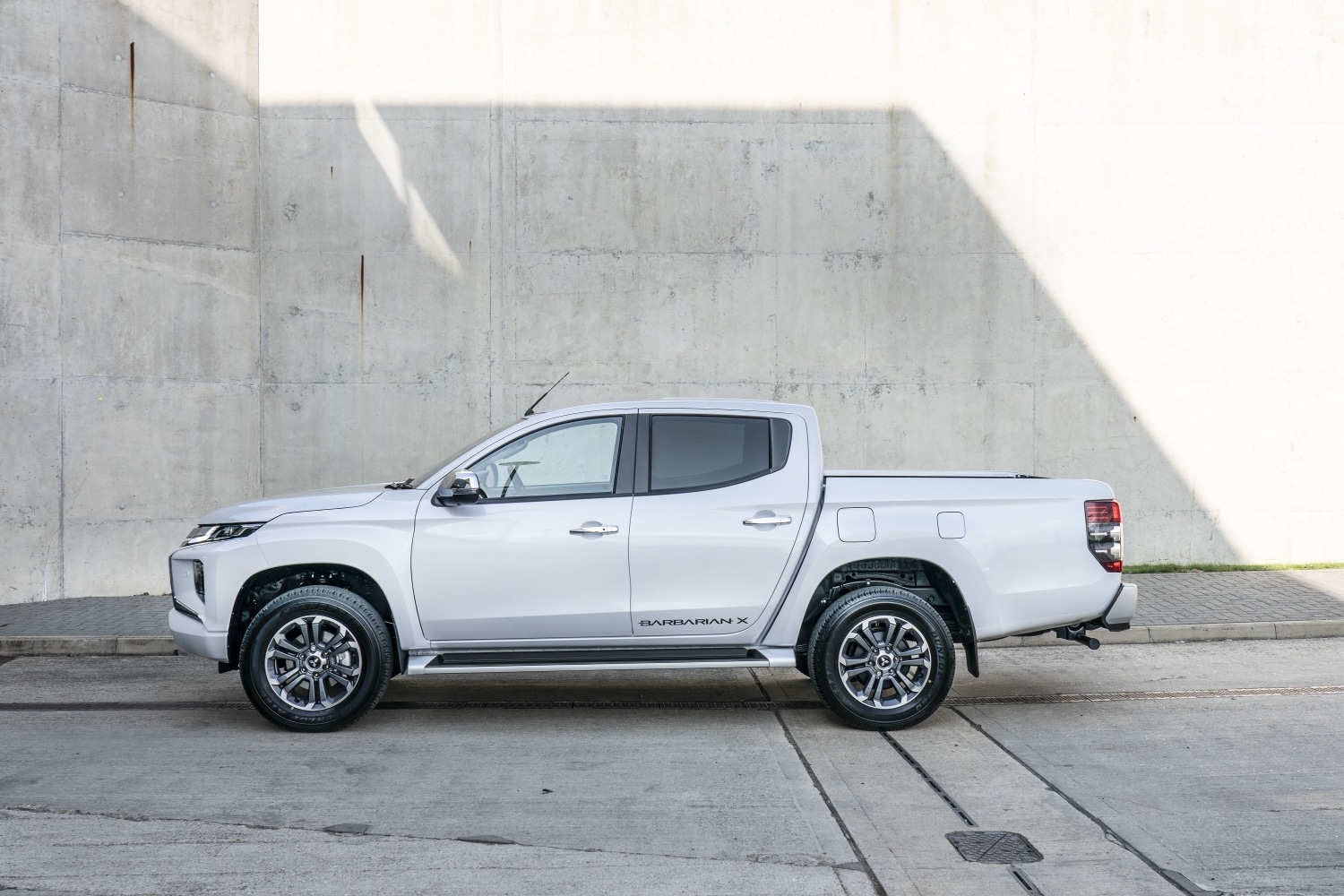
Mitsubishi have specifically designed & built the new L200 to have a more widespread appeal, in effect to tempt existing SUV customer’s into a pick-up by making it far more car-like than any of it’s predecessors, whilst still retaining the original L200 DNA of a tough, go-anywhere, working vehicle.
The UK pick-up sector is still growing & customer’s are now spoilt for choice when it comes to choosing one. The question that Company Car & Van & our readers want to know, is have Mitsubishi succeeded in creating a serious contender to the likes of the improved Nissan Navara, Isuzu D-Max, Ford Ranger & Toyota Hilux , as well as the more expensive Volkswagen Amarok & Mercedes-Benz X- Class. The answer is a resounding yes.
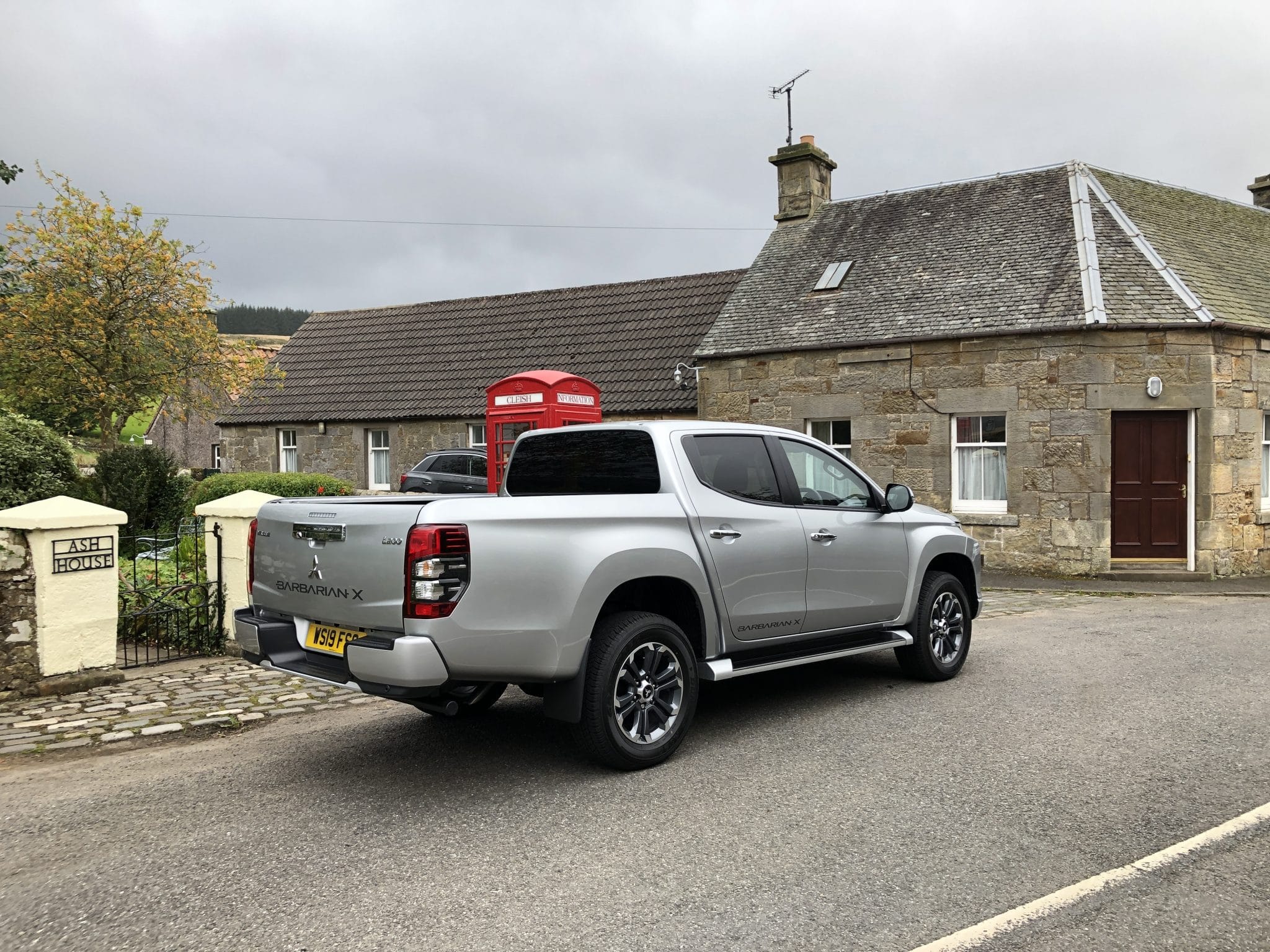
We spent a day driving the new model in Scotland. This involved four separate demonstrations of the L200’s ability. First up we towed, a trailer with an L200 on it, plus aggregate, taking the towed weight up to 3.5 tonnes. It didn’t skip a beat, proving powerful & manoeuvrable in equal measure. It’s worth noting, that the new L200 can not only tow 3.5 tonnes, it can also carry 620kg of payload at the same time, for example, 5 occupants plus 250kg whilst still towing 3.5 tonnes. Impressive.
Next up we hit the off-road course. Utilising the new Super Select 4WD-II system, which offers 2H, 4H, 4H with a locked diff & 4LLc low-ratio with a locked diff, the L200 climbed & descended steep incline’s both dry & damp, traversed a couple of streams, waded through deep water & tackled some rocky terrain, all with aplomb. The system really works well with the car’s traction control & stability control system’s.
Rally-cross was next. A short circuit designed to illustrate the excellent handling of the L200. Accompanied by the Grand Tour’s ‘Stig,” Abbie Eaton, we threw the Mitsubishi into a series of tight turns & short straights on a mixture of road surfaces, concrete, gravel & mud, in a vain attempt to lose control. Such is the poise of the new L200 when using it’s 4X4 system, that this was nigh on impossible. Even when we turned the 4X4 system & the traction control off, the truck was incredibly composed, belying it’s size & weight, as we span around the track at speeds, most trucks will never reach off-road.
Finally, we headed out on a circular road route around Fife, taking in a series of A & B roads, a couple of smaller tracks & the motorway. The Series 6 is even better on-road than off. The new 2,268cc turbo diesel engine is exceedingly quiet, the seats up front are highly comfortable, the ride isn’t too bouncy & it’s so car-like in the cab, it was easy to forget that this was a pick-up. The rear passenger’s will feel the bumps join the road more than those up front. But, compared to the outgoing Series 5, the latest L200, is far better at damping down the traditional pick-up faults of ride comfort, thanks to the revised suspension & reinforced chassis.

Were there any negatives ? We could only find one. The outgoing L200 to our mind is a better looking vehicle front on. The run-out Challenger Series 5 would make the pick-up version of Love Island. The Series 6 whilst better in every area, lacks the chiselled nose & aggressive styling of the old model, settling for a far more-car-like look, which may not appease the purist’s, but is exactly what Mitsubishi wanted.
The three most popular models will be the Warrior, which comes with 18″ alloys, Super Select 4WD, a touchscreen infotainment screen with DAB, LED headlights & taillights, a reversing camera, privacy glass & Forward Collision Mitigation & Lane Departure Warning. The Barbarian adds two rear USB’s, an LED interior light package, Hill Descent Control, heated front seats & the dampened tailgate with spring assisted closing. We spent the day driving the range-topping Barbarian X, which further adds a 360 degree camera system, LED front fog lamps, Barbarian X leather seats & a heated steering wheel.

The range starts with the 4Life Club Cab £21,515 & Double Cab £22,715. The Warrior in manual guise costs £26,400, the auto £27,800. Barbarian manual is £29,300 & auto £30,700, with the top of the range Barbarian X auto costing £32,200, all CV on the road prices.
When we drove the Series 5 L200 were delighted to report that it was good, very good & came with far better road manners than all the previous L200 model’s. The Series 6 has taken the range much, much further, into uncharted territory for Mitsubishi. It now comes with an amazing amount of standard equipment fitted to the Warrior & Barbarian model’s, especially safety tech, compared to it’s rivals. It’s larger carrying capacity appeals as well. However, where its scores most highly is with it’s on-road manner’s & it’s car-like cab, taking it right to the top of the class.
4.25/5
